
Jajpur’s Half-Finished Projects: When Will They See the Light of Day .
JAJPUR29/08(PPT): Jajpur town presents a paradox of development. While a number of major infrastructure projects have transformed its urban landscape, several ambitious projects remain incomplete, abandoned or awaiting a fresh push. Large structures stand like deserted edifices, with construction work stalled for years and no clear timeline for their completion.
In several cases, details of the estimated project costs and revised completion schedules are not prominently available, raising questions about accountability and the utilisation of public money. Officials, too, have reportedly been unable to provide clear answers on when some of these projects will finally become operational.
The transformation of Jajpur’s Kusuma area was once seen as a significant step in the town’s development. What was once an abandoned pond near the District Headquarters Hospital was transformed into the picturesque Kusuma Lake after crores of rupees were invested in its development. The transformation was broadly welcomed by residents.
However, the construction of an imposing building after demolition of a children’s park at the site triggered controversy. The building continues to remain locked, adding to concerns over the utility of the investment.
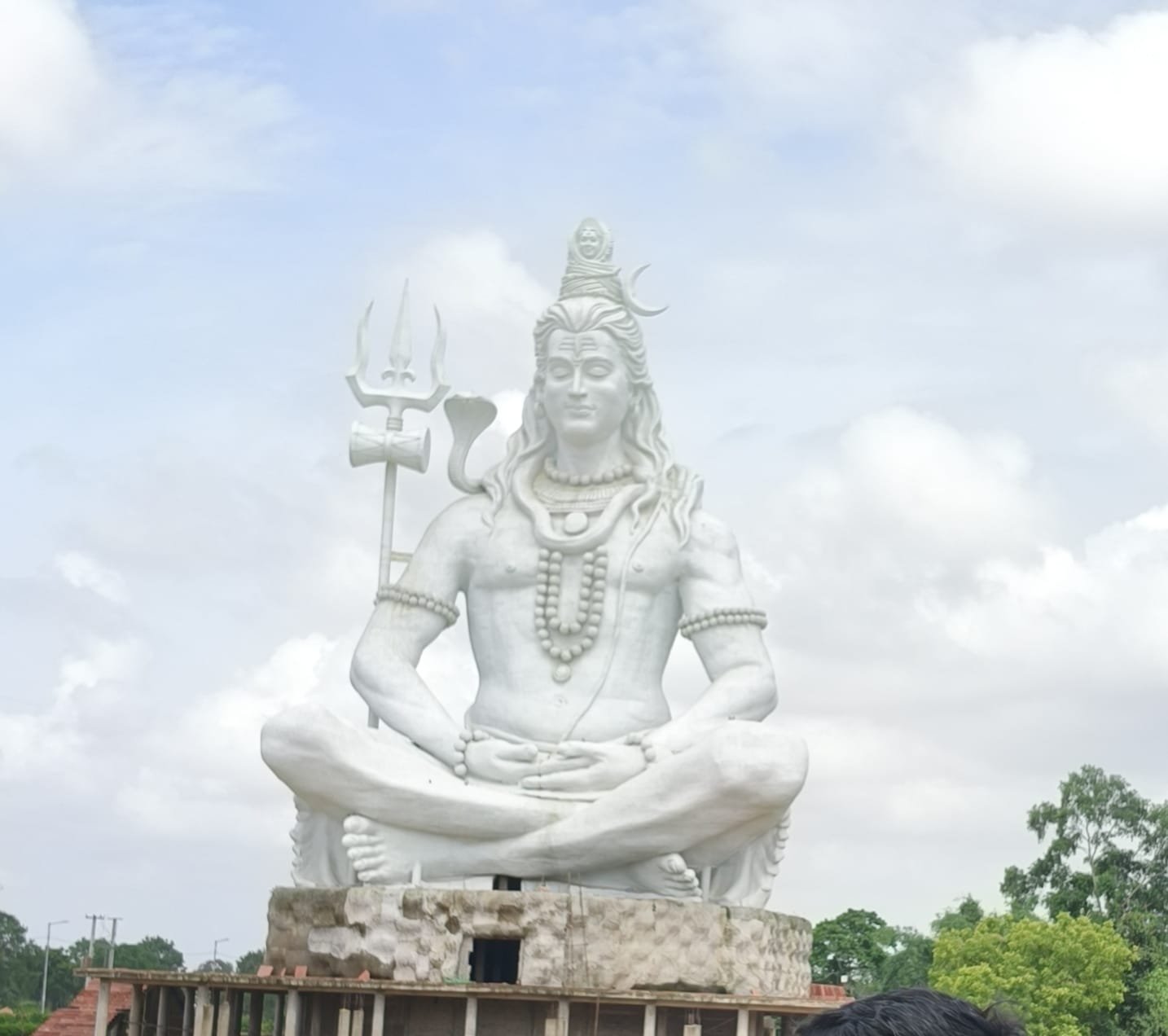
The ambitious projects associated with Maa Biraja are another example of delayed development. Despite an allocation of more than Rs 150 crore, there is still no clear answer as to when the project will be completed. The Baraha project, too, awaits completion, while the proposed park featuring a 183-foot meditating Shiva statue remains unfinished.
In another major initiative aimed at promoting Buddhist tourism, a museum was constructed at Baruni Maidan at a reported cost of Rs 10 crore. Despite the investment, the facility has reportedly remained largely unused and has acquired the appearance of an abandoned structure. Nearby, construction of an interpretation centre, estimated to cost around Rs 8 crore, has also remained incomplete.
Several other projects have met a similar fate. The athletic stadium at Balashram Maidan, the proposed mini-secretariat near Kusuma and the development of Sadheipokhari under the Bishitrapur panchayat on the outskirts of the town are among projects that remain incomplete. More significantly, work on several of these projects has reportedly made little or no progress in recent years.
Jajpur, however, has also witnessed notable progress in key sectors. The Maharaja Yayati Keshari Medical College and Hospital has been established and academic activities have commenced, giving a boost to healthcare and medical education in the district.
The district has also seen the completion of several sports-related facilities, including a hockey training centre, an indoor stadium and football and cricket infrastructure. The construction of the Plus Two NC College has also been completed.
Road infrastructure has witnessed considerable improvement as well. Several narrow roads in the town have been widened into four-lane roads, while the Baitarani Ring Road is being expanded, with work progressing towards Manasapal. The National Highway-20 stretch from Kuakhia to Mangalpur is also under construction.
Yet, the absence of a dedicated bus terminal in Jajpur continues to inconvenience thousands of passengers. Another long-standing demand is railway connectivity to the historic Biraja Kshetra. There is renewed hope that work on the proposed rail connectivity will begin soon.
For a town witnessing a widening development footprint, the unfinished projects remain an uncomfortable blemish. While delays in some cases have reportedly been attributed to disputes and lack of political will, the prolonged uncertainty has raised questions over planning, monitoring and accountability.
Residents and intellectuals have urged the authorities to review all stalled projects, fix clear deadlines and ensure that completed assets are put to public use. Unless these projects are completed and made operational, they fear that crores of rupees of taxpayers’ money could ultimately go to waste.