
Policing with a Human Touch: An Interview with Dr Satyajit Nayak, IPS .
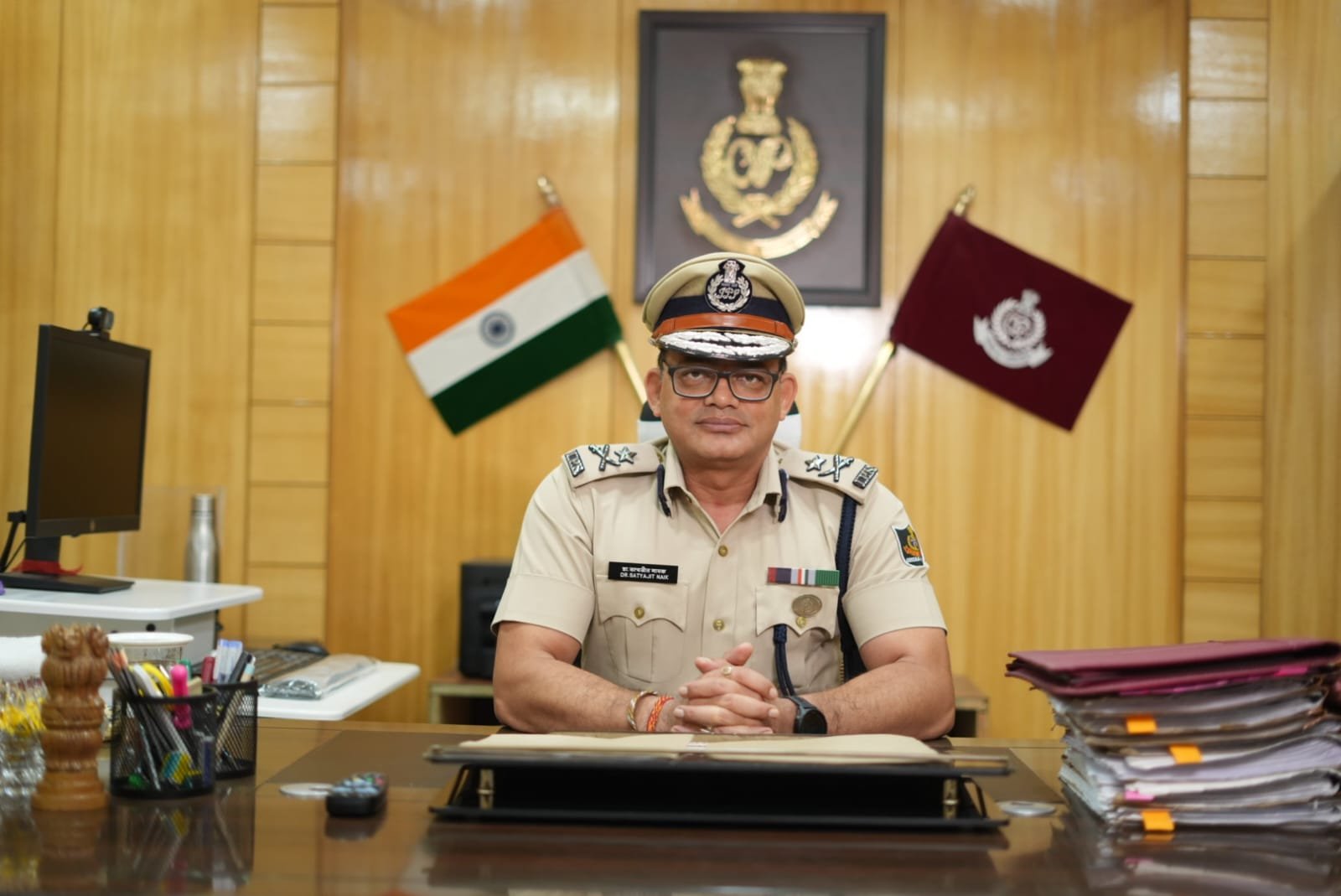
Bhubaneswar,29/09(PPT): Dr Satyajit Nayak, IPS, Inspector General of Police, Central Range, Cuttack, has emphasised a policing approach that combines professional enforcement with prevention, public awareness and community participation. As IGP of the Central Range, which comprises Cuttack, Puri, Khordha, Nayagarh, Jagatsinghpur, Kendrapara and Jajpur districts, he oversees policing in a region with diverse law-and-order, public-safety and disaster-management challenges.
In this interview with a Staff Reporter, Dr Nayak speaks about building public trust, preventive policing, cybercrime, the role of technology and artificial intelligence, women and child safety, disaster preparedness, policing during large public gatherings, police fitness and the importance of police-public cooperation.
Q: What, in your view, is the central objective of modern policing?
Dr Satyajit Nayak: Modern policing is not limited to responding after a crime has occurred. Prevention, public awareness, professional preparedness and community participation are equally important. Our objective should be to create an environment in which citizens feel safe, respected and confident that the police are available when they need assistance.
Q: How important is public trust in policing?
Dr Nayak: Public trust is fundamental. Citizens approach the police during difficult moments — whether to report a crime, seek protection, report cyber fraud or seek emergency assistance. A respectful response, patient hearing and timely assistance can strengthen confidence in the police institution. Trust also encourages people to share information and cooperate with investigations.
Q: What role can citizens play in crime prevention?
Dr Nayak: Crime prevention cannot be the responsibility of the police alone. Citizens can contribute by reporting suspicious activities, sharing credible information, cooperating with investigations and following lawful directions. Families, schools, community organisations and local institutions can also help identify risks and promote responsible behaviour.
Q: What are the major areas where preventive policing is particularly important?
Dr Nayak: Issues such as drug abuse, illegal gambling, cyber fraud, road-safety violations and technology-related offences require sustained preventive efforts. Enforcement is necessary, but awareness and early intervention are equally important. The objective is to prevent problems from becoming more serious.
Q: How can the police engage with young people more effectively?
Dr Nayak: Young people need awareness as well as guidance. Police interaction with students can address issues such as cyber safety, substance abuse, excessive online gaming, road safety and responsible use of social media. Schools and colleges can provide valuable platforms for dialogue between young citizens and the police.
Q: What should be the approach towards women, children and senior citizens?
Dr Nayak: These groups require particular attention. Women facing harassment, domestic violence, cyber abuse or other offences should feel confident that their complaints will be heard sensitively. Children require a response that recognises their vulnerability and dignity. Senior citizens, especially those living alone, benefit from regular community contact and responsive policing.
Q: How is cybercrime changing the policing challenge?
Dr Nayak: Cybercrime has changed the traditional understanding of public safety. A person can be targeted digitally without the offender being physically present. Citizens therefore need to protect passwords, avoid suspicious links, verify financial requests and report fraud promptly. Police forces also need technical expertise, rapid coordination and continuous capacity-building.
Q: What role do technology and artificial intelligence have in policing?
Dr Nayak: Technology can strengthen policing through better information management, data analysis, investigation and crime detection. Artificial intelligence can provide new possibilities, but technology must remain a tool in the hands of trained professionals. Human judgement, accountability, empathy and responsible decision-making cannot be replaced.
Q: How important is disaster preparedness for the police in Odisha?
Dr Nayak: Disaster preparedness is an important part of policing in Odisha. Cyclones, floods and other emergencies require planning, coordination, communication and quick response. Police responsibilities may include crowd management, traffic regulation, evacuation support, coordination with other agencies and maintaining communication with the public.
Q: What have large public gatherings such as the Rath Yatra taught you about policing?
Dr Nayak: Large gatherings demonstrate the importance of preparation and coordination. Police, civil administration, emergency services, volunteers and citizens all have important roles. Effective crowd management depends not only on policing arrangements but also on public cooperation and responsible behaviour.
Q: How important are fitness and sports for police personnel?
Dr Nayak: Physical fitness and mental alertness are important components of professional preparedness. Police personnel often work for long hours and face unpredictable and demanding situations. Sports promote discipline, teamwork, resilience and the ability to perform under pressure. My own involvement in marathon running, swimming, cycling, trekking and triathlon has reinforced the value of fitness and discipline.
Q: What does community policing mean to you?
Dr Nayak: Community policing is a partnership. The police have professional expertise, legal authority and investigative capabilities, while communities have local knowledge and an understanding of their concerns. When both work together, problems can be identified earlier and addressed more effectively.
Q: What is the role of police-public cooperation during festivals and public events?
Dr Nayak: Cooperation is essential. Citizens should follow safety instructions, avoid provocative behaviour and refrain from spreading rumours or unverified information. The police must facilitate public participation while maintaining safety and security. Responsible behaviour by everyone helps ensure peaceful and safe events.
Q: What qualities should define a modern police officer?
Dr Nayak: A modern police officer must combine professionalism with empathy, discipline with sensitivity, and authority with accountability. The uniform represents the power of law, but it should also represent service, responsibility and respect for citizens.
Q: What is your broader vision of policing?
Dr Nayak: The future of policing will certainly involve technology, modern investigative methods and better systems. But the foundation will remain human. Technology can improve efficiency, while trust creates cooperation. Ultimately, policing should create an environment where citizens feel safe, respected and confident that help is available when required.
Q: What is your message to citizens?
Dr Nayak: A safe society is a shared responsibility. The police have a duty to protect citizens and uphold the law, while citizens have a responsibility to obey the law, cooperate with the police and contribute to the safety of their communities. Modern policing must begin before the crime is committed — through awareness, preparedness, prevention, community participation and responsible citizenship.